


Why AI Still Isn’t Routine at Work


Generative AI may dominate headlines and executive agendas, but inside workplaces, a different reality persists: employees aren’t using it consistently. While adoption is rising across the globe – and finding greater engagement in developing countries – in developed countries like the U.S., routine usage remains an exception, not the norm.
According to the 2025 Edelman Trust Barometer Flash Poll: Trust and Artificial Intelligence at a Crossroads and the 2025 Edelman Trust Barometer Workplace Flash Poll: Insights on AI, this gap between awareness and behavior reflects deeper issues: emotional hesitation, a lack of daily habit formation, and uncertainty about AI’s impact on work and job security.
The growing divide between what leaders believe is happening and what employees are actually experiencing suggests AI may be everywhere in conversation, but still often absent from practice.

Generative AI may dominate headlines and executive agendas, but inside workplaces, a different reality persists: employees aren’t using it consistently. While adoption is rising across the globe – and finding greater engagement in developing countries – in developed countries like the U.S., routine usage remains an exception, not the norm.
According to the 2025 Edelman Trust Barometer Flash Poll: Trust and Artificial Intelligence at a Crossroads and the 2025 Edelman Trust Barometer Workplace Flash Poll: Insights on AI, this gap between awareness and behavior reflects deeper issues: emotional hesitation, a lack of daily habit formation, and uncertainty about AI’s impact on work and job security.
The growing divide between what leaders believe is happening and what employees are actually experiencing suggests AI may be everywhere in conversation, but still often absent from practice.
The Trust Gap in AI Adoption
The core challenge facing AI integration in the workplace is habitual change. Routine use is what builds trust, yet most employees are far from using AI daily.
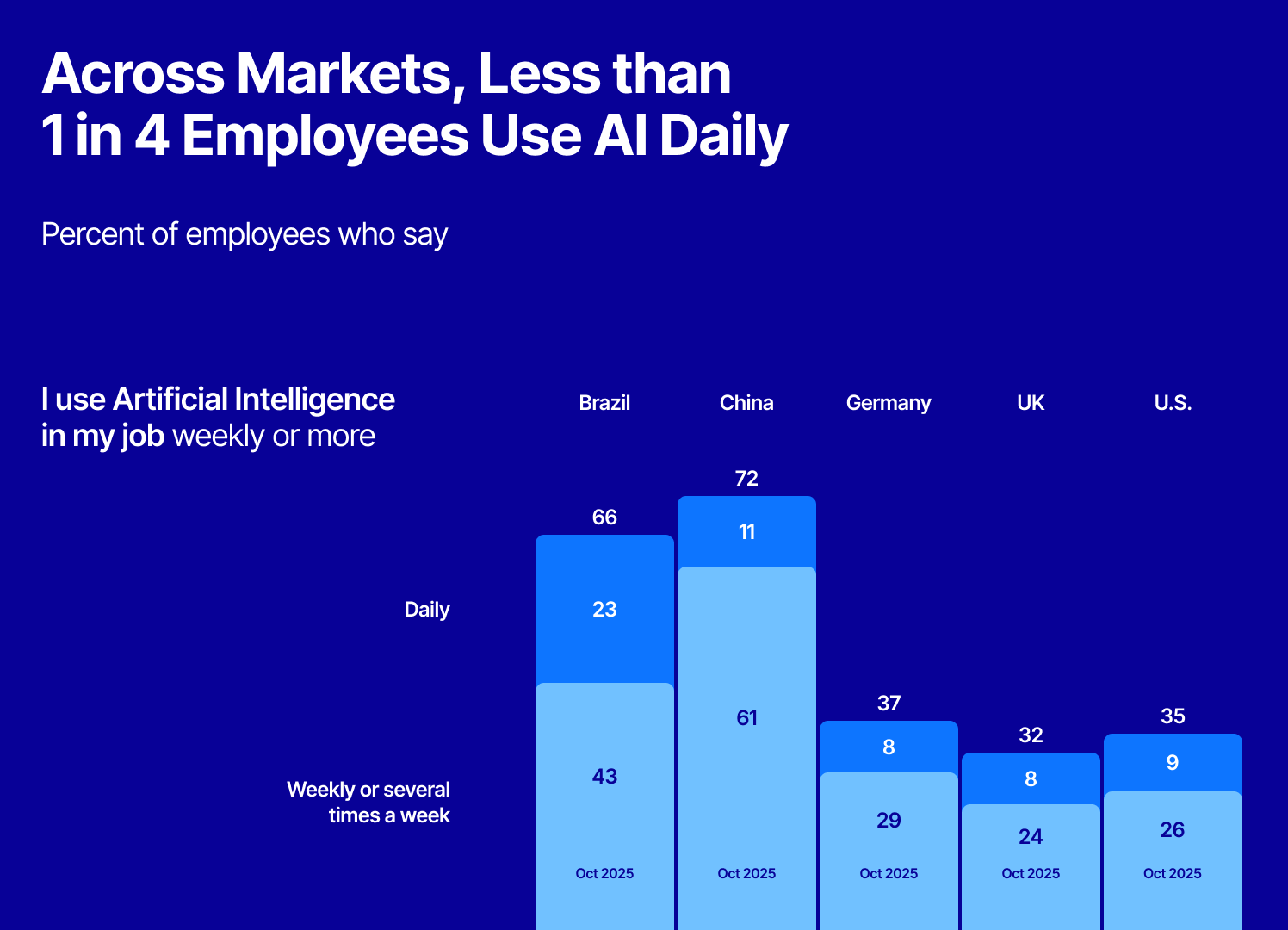
Across markets, usage is rising year over year, yet regular adoption remains limited. In Germany, the UK, and the U.S., only a minority of employees use AI weekly, and in the U.S., daily use is still in the single digits.
This gap underscores the significant runway for broader adoption and the need to better integrate AI into everyday workflows.

*Data from the 2025 Edelman Trust Barometer Workplace Flash Poll: Insights on AI
*Data from the 2025 Edelman Trust Barometer Workplace Flash Poll: Insights on AI
When people do integrate AI into their workflow, however, the benefits stick. Employees who say gen AI helps them find solutions at work are far more likely to trust it.
Trust jumps from 63% among those who say gen AI has had no impact in helping find solutions at work to 89% who say it does help in Brazil, 41% to 73% in Germany, 28% to 74% in the UK, and 33% to 68% in the U.S.
Similarly, trust rises 36+ points across markets when the general population sees generative AI helping them understand complex ideas.
The more employees use AI, the more confidence they can build. Encouraging that first step means reshaping how businesses talk about the future.
Why Employees Are Holding Back on AI
The workplace potential of AI depends on employees using it regularly, but there are several factors impacting enthusiasm.
Among the general population who use AI less than once a month, trust is the leading barrier – 70% in the U.S., 57% in Germany, 53% in Brazil, and 43% in China cite trust issues as the reason for not adopting it, followed by lack of motivation or access (which is the leading barrier in the UK at 60%) and, to a lesser extent, intimidation around the technology’s complexity.
Further, the data shows respondents don’t believe they’re being told the full story, suggesting there’s an emotional barrier as well.
Seventy percent of U.S. respondents, 69% in the UK, and 62% in Germany believe business leaders may not be honest with their employees about how many – and which – jobs will be eliminated due to AI. This lack of transparency erodes the foundational trust required for employees to experiment with new tools.
The findings are particularly striking given how little negative first-hand experience exists. Only 18% of people who reject the growing use of AI, and just 8% of those who embrace it, say they’ve had a very bad generative AI experience.
Resistance therefore stems not from what employees have seen, but what they fear.
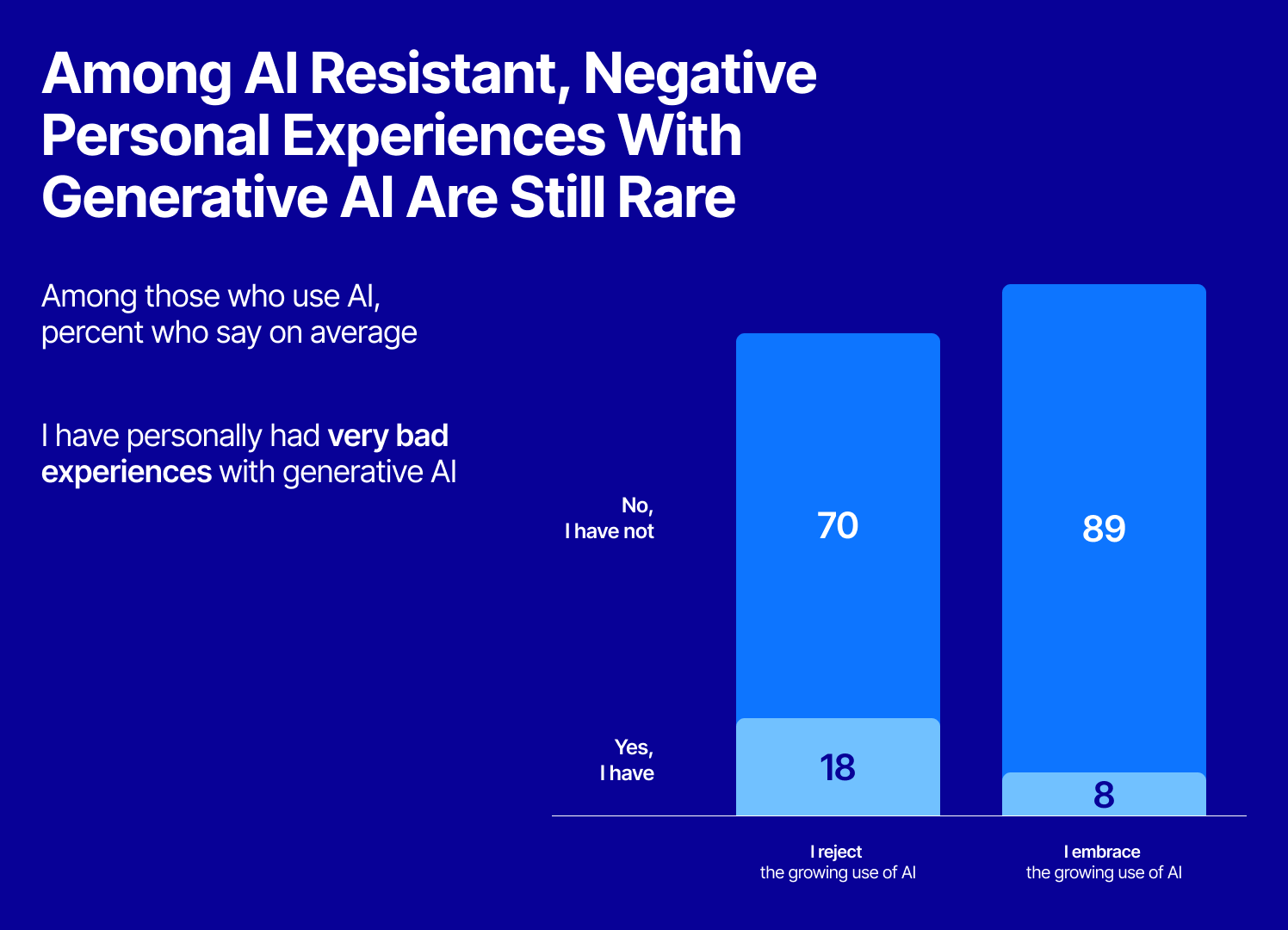
*Data from the 2025 Edelman Trust Barometer Flash Poll: Trust and Artificial Intelligence at a Crossroads
*Data from the 2025 Edelman Trust Barometer Flash Poll: Trust and Artificial Intelligence at a Crossroads
Learn more from our Flash Poll report.
To Build Trust, Start With Opportunity
Many companies are trying to combat that fear with more training, which could prove effective if properly framed and executed.
Currently, employees don’t view training as a given or something they can count on. Fewer than half of employees in Germany, UK and the U.S. say they expect their employer to offer AI training for their job, despite the substantial corporate investment seen playing out in the news.
While employees may not be expecting AI training specifically, most do look for pathways to better opportunities. Employees want support and training that helps them grow, stay relevant, and position themselves for future roles. Large majorities across markets say skill development, coaching, and ongoing upskilling are either mandatory or strongly expected from their employer.
Herein lies an opportunity.
Trust and enthusiasm for AI grow when employees believe it will strengthen long-term job security.
Seventy-six percent of employees in Brazil, 69% in China, 62% in the UK, 59% in the U.S., and 53% in Germany say they’d be more enthusiastic about generative AI if they believed their employer was using it to enhance productivity rather than cut jobs.
The prospect of growth fuels motivation, and the benefits of engagement follow.
More findings from the report.



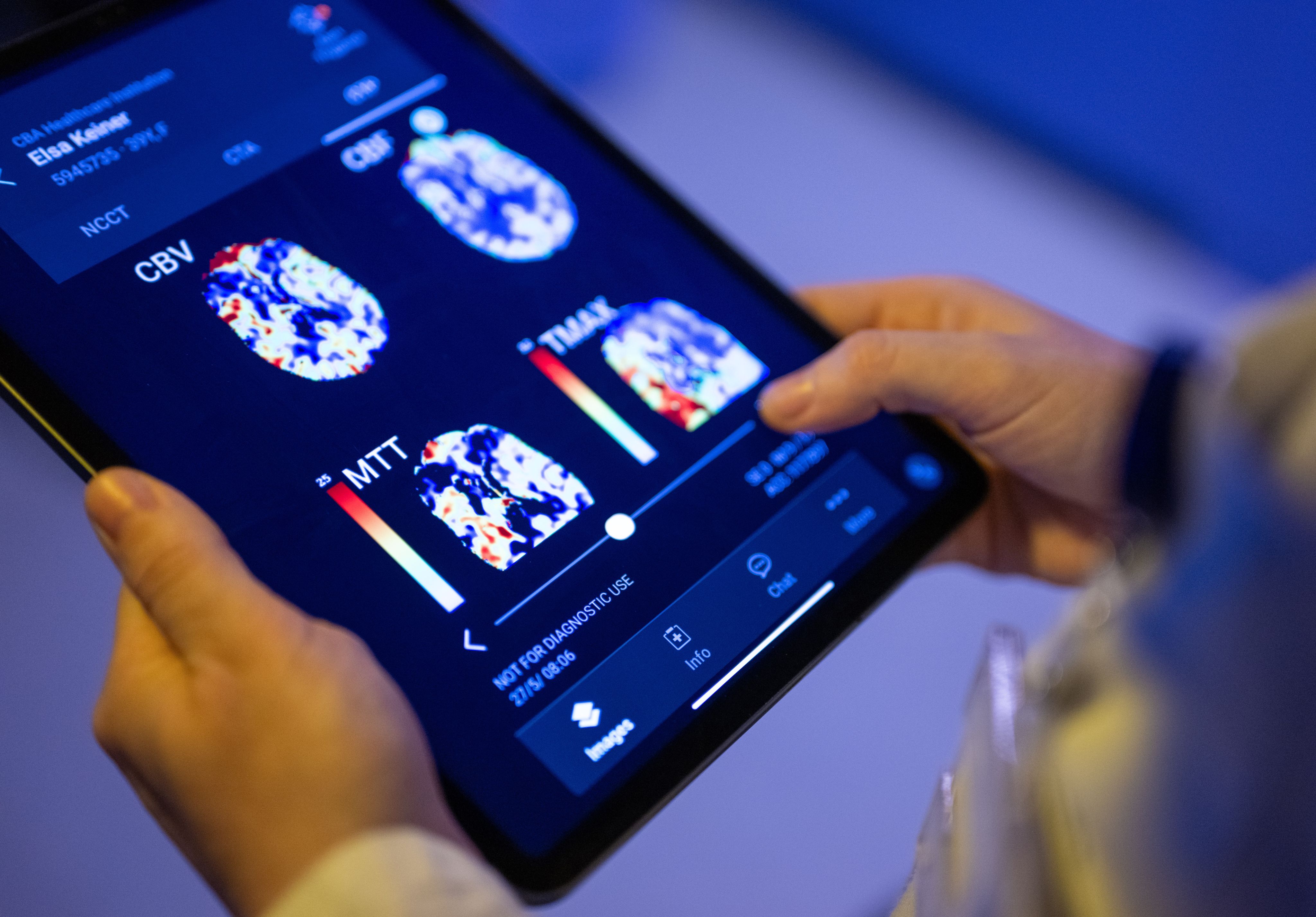
Frequent Users Report Strong Personal Gains
AI has the potential to fundamentally reshape how work gets done if people choose to use it. Organizations should position genAI learning as part of a broader career development experience – equipping them for careers “here or anywhere” – not a standalone requirement.
Routine use will only take hold when employees see that each small skill they build today creates advantages tomorrow.



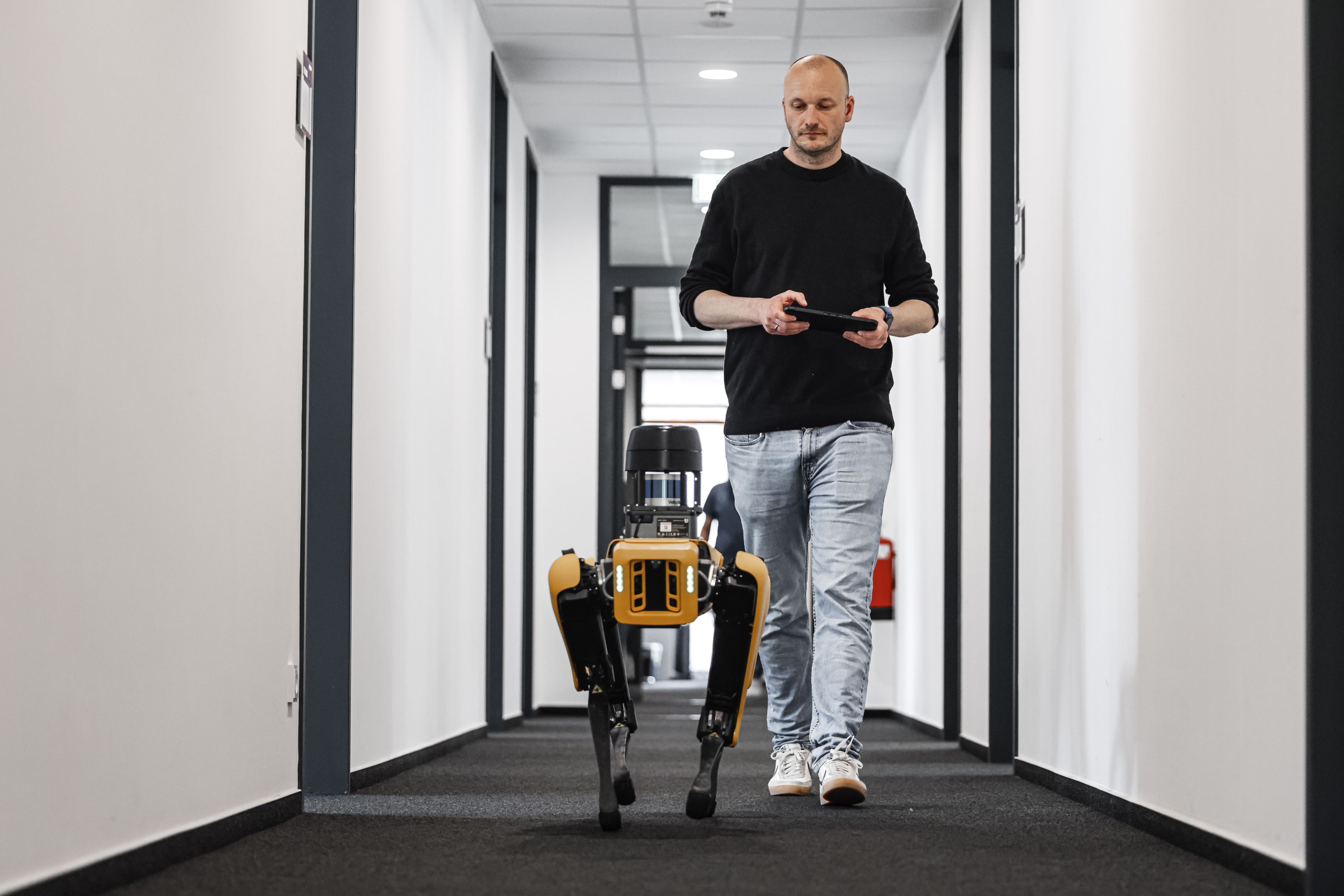

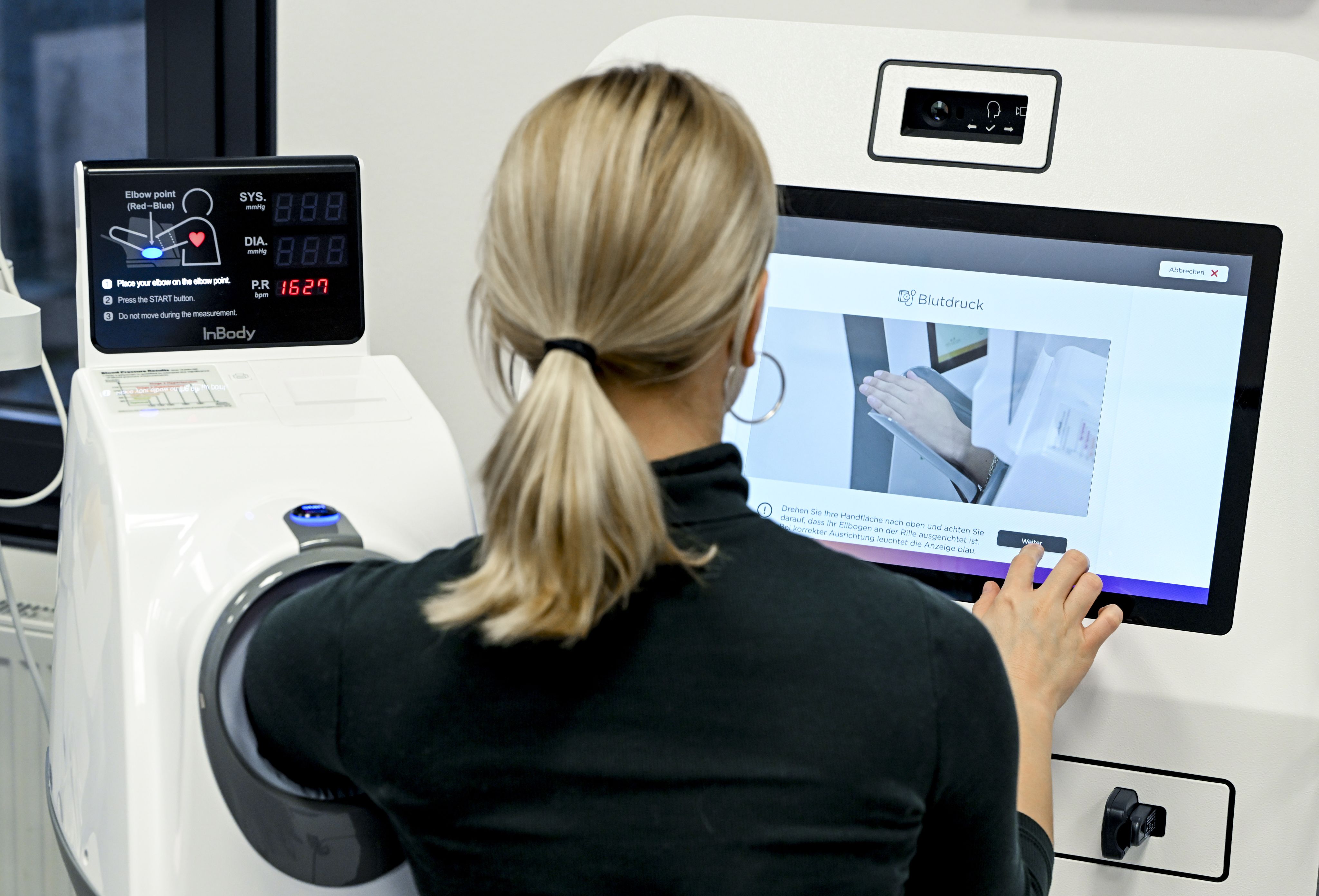
On average, 65% of people who use AI frequently say it improves their speed at getting things done...
57% say it boosts creativity...
60% of employees who use AI frequently say it helps them find solutions at work.
Moving from Possibility to Practice
To turn passive awareness into active, routine use, companies should focus on making daily use the goal:


1.
Shift the mindset from “get ahead of AI” to “show up to work with AI.”

2.
Embed micro–use cases into workflows (drafting, summarizing, brainstorming).
3.
Normalize everyday experimentation; encourage employees to try AI for low-stakes tasks.


4.
Focus on tasks that demonstrate measurable, tangible impact, such as:
- Automating how requests are submitted, assigned, and tracked
- Simplifying, standardizing, and scaling internal communications
- Using synthetic personas to A/B test and gather feedback
What does this mean for your business?
Learn how we can partner with you to prioritize and rebuild trust.

 Built with Shorthand