- Global (EN)
- Africa (EN)
- Australia (EN)
- Belgium (EN)
- Brasil (PT)
- Canada (EN)
- Canada (FR)
- China (CN)
- France (FR)
- Germany (DE)
- Germany (EN)
- Hong Kong, China (EN)
- India (EN)
- Indonesia (EN)
- Ireland (EN)
- Italy (IT)
- Italy (EN)
- Japan (JP)
- Korea (KR)
- Latin America (ES)
- Malaysia (EN)
- Middle East (EN)
- Netherlands (EN)
- Spain (ES)
- UK (EN)
- Global (EN)
- Africa (EN)
- Australia (EN)
- Belgium (EN)
- Brasil (PT)
- Canada (EN)
- Canada (FR)
- China (CN)
- France (FR)
- Germany (DE)
- Germany (EN)
- Hong Kong, China (EN)
- India (EN)
- Indonesia (EN)
- Ireland (EN)
- Italy (IT)
- Italy (EN)
- Japan (JP)
- Korea (KR)
- Latin America (ES)
- Malaysia (EN)
- Middle East (EN)
- Netherlands (EN)
- Spain (ES)
- UK (EN)

Start your journey with Edelman Amsterdam
Looking for work that matters? Explore careers at Edelman Amsterdam and join a global team committed to shaping conversations, building trust, and driving change.
BROWSE CAREERS
Whether you're looking for strategic guidance or specific expertise, our team is ready to help. Contact us to explore how Edelman Amsterdam can partner with your business.
Contact UsStart your journey with Edelman
Looking for work that matters? Explore careers at Edelman and join a global team committed to shaping conversations, building trust, and driving change.
BROWSE CAREERS
Whether you're looking for strategic guidance or specific expertise, our team is ready to help. Contact us to explore how Edelman can partner with your business.
Contact Us

.
Stable on the surface, fragile underneath
Trust in the Netherlands remains stable since last year, and relatively high compared with other developed markets, with business continuing to be the most trusted institution. Yet beneath that stability, the 2026 Edelman Trust Barometer reveals structural pressures that are reshaping the country’s trust landscape.
Beneath that stability lie deeper structural pressures: a consistent income-based trust divide, rising economic anxiety linked to recession, trade disruption and AI, and deep pessimism about generational progress.
Economic anxiety is rising, including growing concern about recession, trade-related disruption to employers and the impact of AI on jobs and economic stability. At the same time, optimism about the future is low: only 1 in 10 people in the Netherlands believe the next generation will be better off than today.
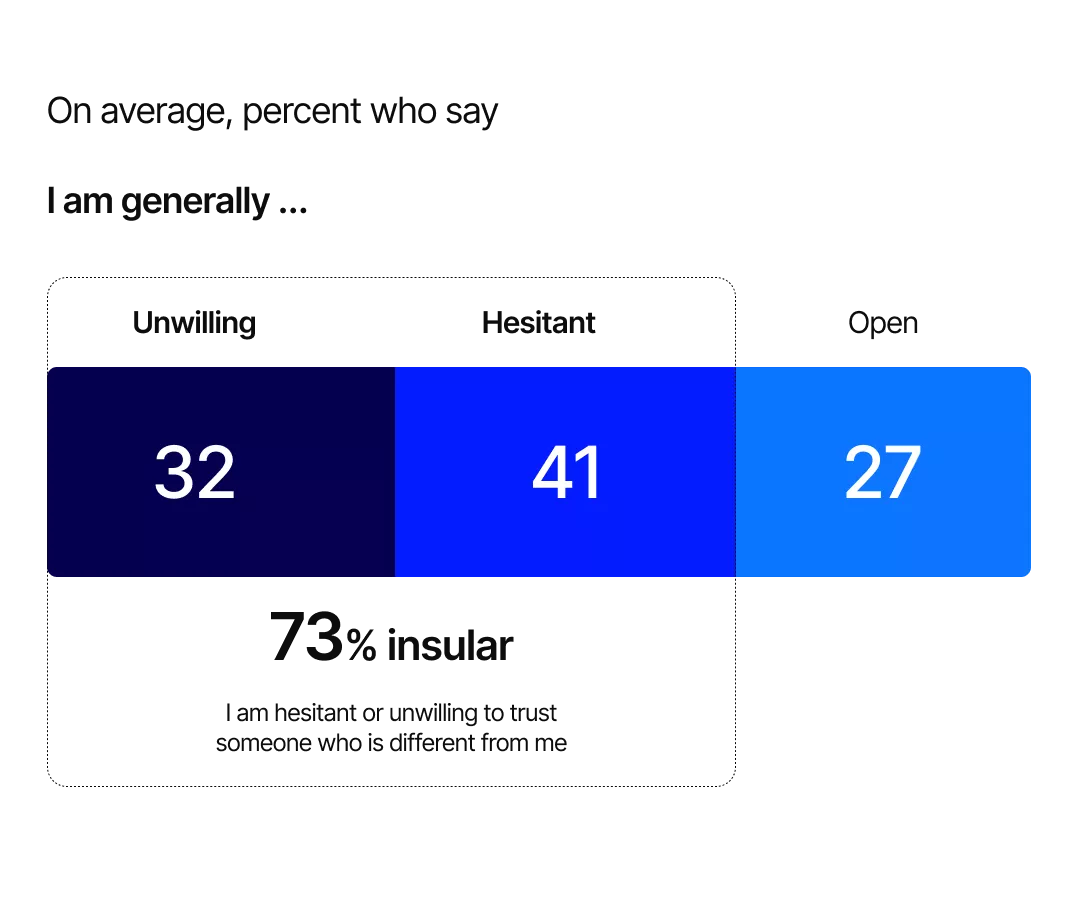
These pressures are contributing to a more insular trust mindset that is becoming structural across Dutch society. Seventy-three percent of Dutch respondents say, on average, they are hesitant or unwilling to trust someone who is different from them, whether in their values, sources of information, approaches to societal problems, or cultural background.
The 2026 report explores how this shift is influencing trust across institutions, workplaces, and communities, and why trust brokering is emerging as a key strategy for rebuilding collaboration and progress.
73% of people in the Netherlands have an insular trust mindset
Nearly three-quarters of respondents say, on average, they are hesitant or unwilling to trust someone who differs from them in values, beliefs, problem-solving approaches, or cultural background.
There is global consensus that insularity must be addressed
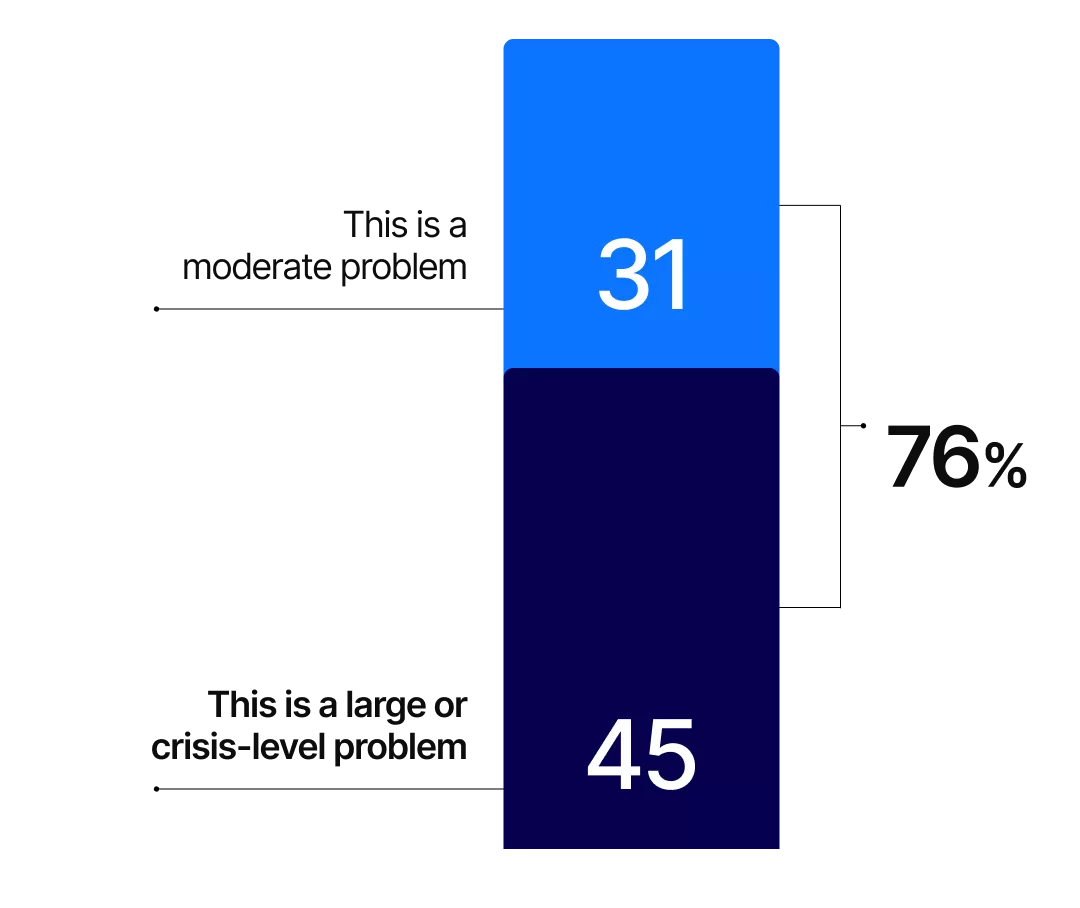
The majority believe it is a problem that people in their country distrust those with differences so much that they actively try to make things worse for one another
Trust brokering can help bridge divides
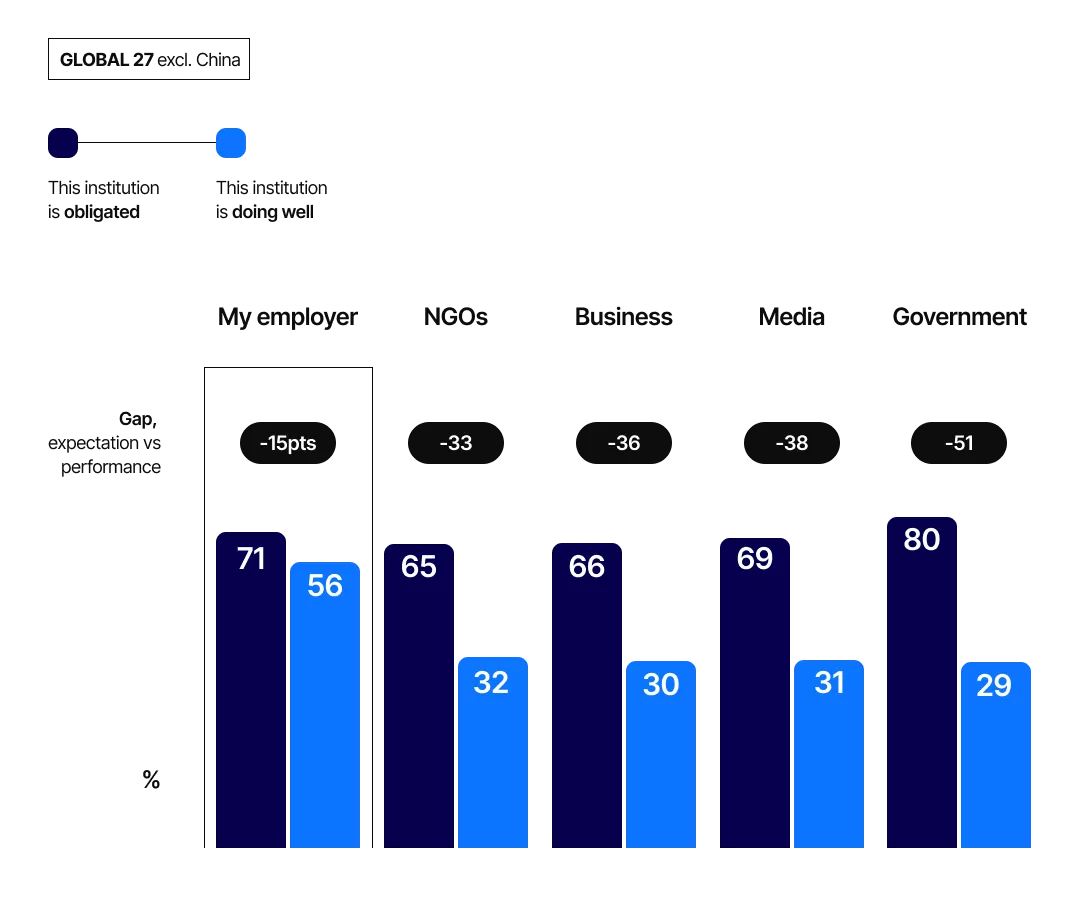
Globally, all institutions have a mandate to bridge divides and facilitate trust building. Employers are best positioned to broker trust, as they have the best performance score
Discover the Trust insights shaping 2026
Explore the full findings from the Netherlands edition of the 2026 Edelman Trust Barometer and see how trust dynamics are evolving across institutions, workplaces, and society.


Brokering trust in the age of insularity
1. Deep anxiety beneath stable trustTrust in the Netherlands appears high compared with other developed markets, but underlying pressures are growing. Economic uncertainty, rising fears about recession and trade disruption, and pessimism about generational progress are contributing to a defensive mindset. Only 1 in 10 people believe the next generation will be better off compared to today. |
2. Insularity is becoming structuralAn insular trust mindset now prevails in the Netherlands. Seventy-three percent of respondents say on average they are hesitant or unwilling to trust someone who differs from them in their values, facts and sources, approaches to societal problems, or background, and exposure to differing political viewpoints is declining. If left unaddressed, this fragmentation will no longer be abstract, and can affect workplace collaboration, productivity, and openness to change. |
3. Trust brokering is a strategy and skillsetTrust brokering is a set of practices that facilitates trust across differences. Rather than attempting to change people’s views, it focuses on identifying shared interests, enabling dialogue, and translating perspectives between groups that distrust one another. |
4. Business carries unique legitimacyIn the Netherlands, business remains the only institution seen as both competent and ethical among both higher- and lower-income respondents. This places business in a distinctive position to help bridge divides across society. |
Explore the findings
.
Top Findings
01
Optimism for the future is low
⟲
Only 1 in 10 people in the Netherlands believe the next generation will be better off than today, reflecting widespread pessimism about long-term progress.
02
Trust favors domestic companies
⟲
In many major export markets, respondents show higher trust in companies headquartered in their own country than in foreign companies, reflecting a strong preference for domestic actors.
03
Economic anxiety continues to rise
⟲
Concern among employees about international trade and tariffs harming the company they work for has increased by 12 points since 2019, while worry about losing a job due to recession has risen by 10 points since 2020.
.
Methodology: The 2026 Edelman Trust Barometer is the firm’s 26th annual Trust survey. The research was produced by the Edelman Trust Institute and consists of 30-minute online interviews conducted between October 25 and November 16, 2025. Learn more >
33,938 | 28 | ±1,200 |